
Work Text:
+++
Naturalism (c. 1870–1880): Going Deeper - The Psychological Turn
As Scandinavian women artists moved beyond the foundational principles of academic realism, a distinct naturalist sensibility emerged in the 1870s. This shift coincided with broader European artistic movements—particularly French Naturalism and the nascent psychology of the self—but developed its own specifically Nordic character shaped by the unique conditions under which these women worked: both the liberation of professional training and the burden of systematic censorship.
Where the realist works of the previous decade emphasized anatomical documentation and the unmediated presence of the body, naturalist painting introduced a more complex interplay between physical form and psychological interiority. The nude remained central, but it was now understood as inseparable from questions of consciousness, emotion, and subjective experience. These painters sought not merely to record what the body looked like but to capture something of what it felt like to inhabit that body—a fundamentally different project.
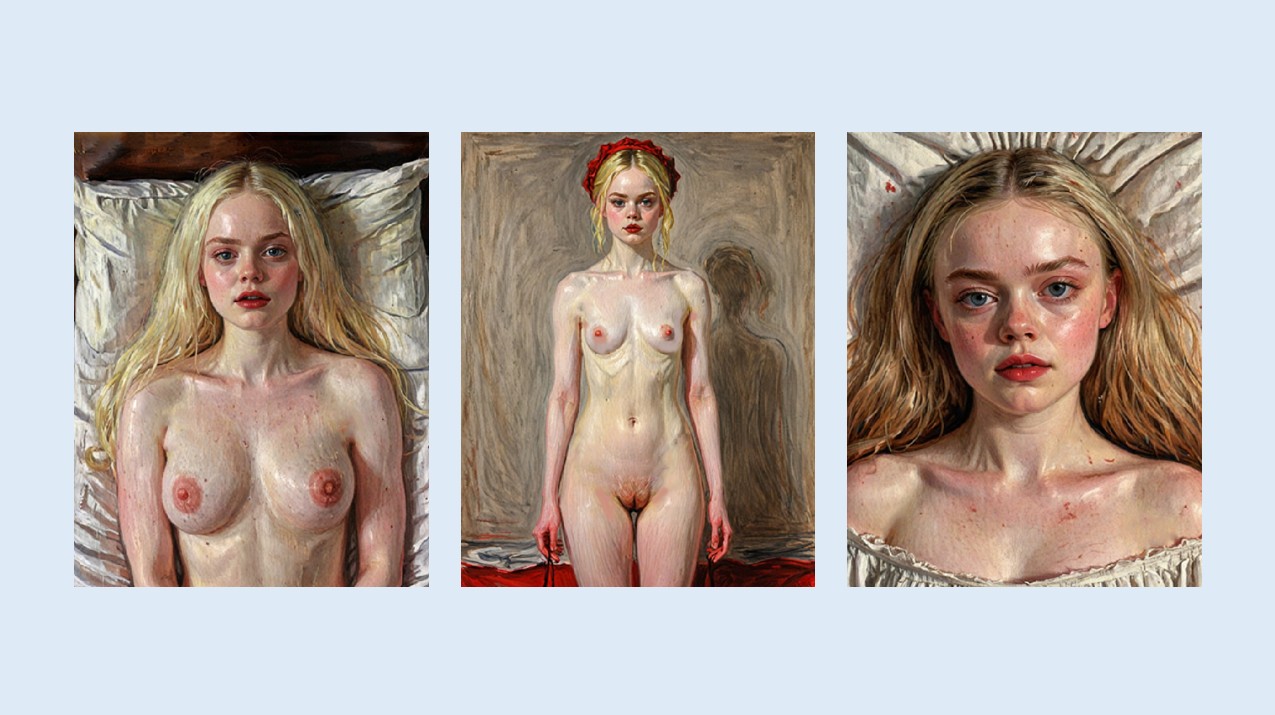
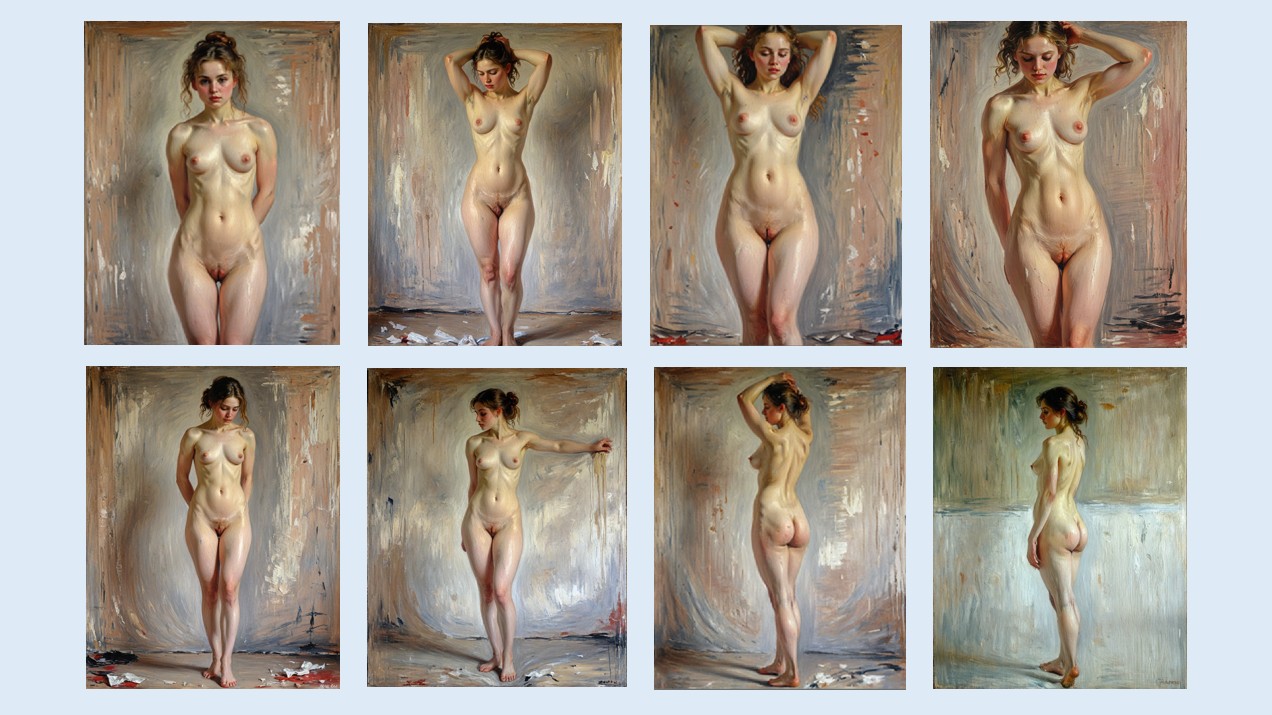
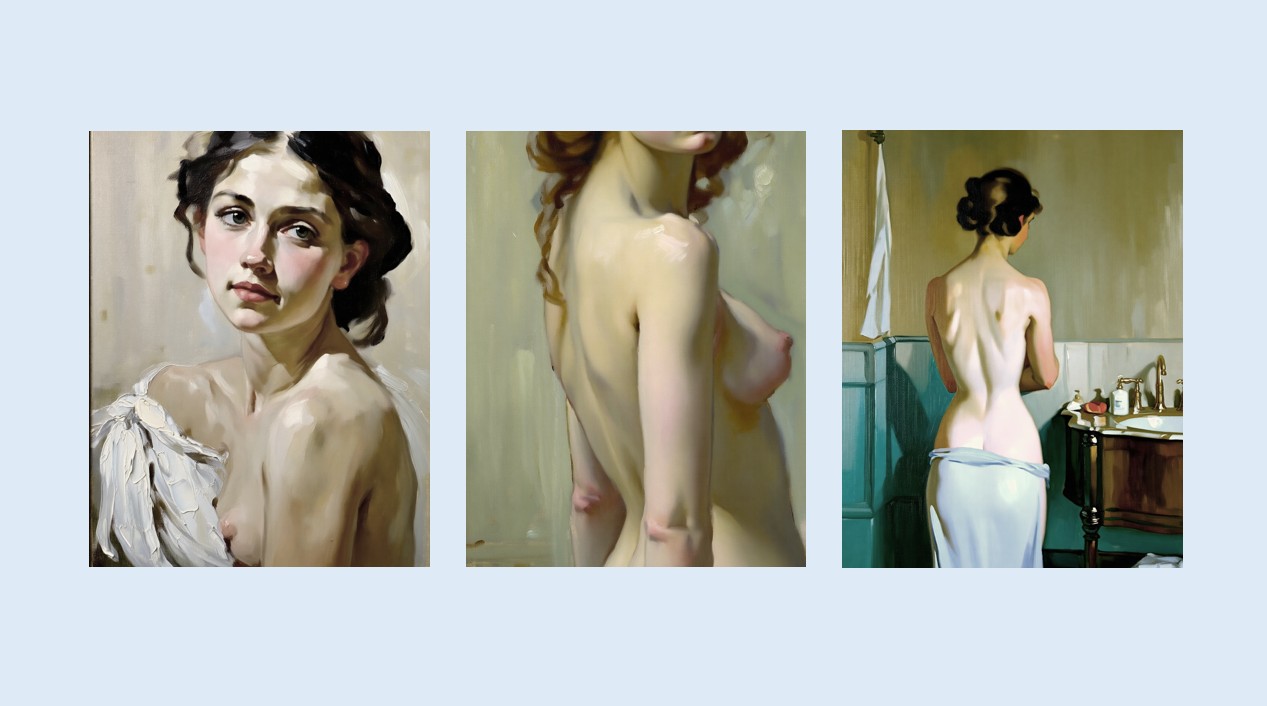
The formal characteristics of this naturalist approach are immediately apparent. Brushwork becomes more visible, more gestural, abandoning the smooth surfaces of academic finish for a painterly directness that emphasizes the materiality of the medium itself. Thick impasto passages alternate with areas of thin, almost sketch-like application. This technical looseness paradoxically serves to heighten rather than diminish the sense of physical presence—the viewer becomes aware of paint as substance even as that substance resolves into flesh.
Color palettes shift toward greater chromatic complexity and psychological resonance. The neutral backgrounds and controlled lighting of early realism give way to more atmospheric treatments. Backgrounds are no longer simply dark or light but actively painted environments—swirling, expressive passages that seem to emanate from or respond to the figure itself. Warm ochres, muted greens, dusty roses, and unexpected touches of vermillion or cerulean create emotional climates rather than merely describing physical spaces.
The treatment of the figure itself reveals this psychological deepening. Bodies are rendered with continued anatomical accuracy—the pubic hair, the specific forms of breasts and vulva, the individual character of faces—but now inflected with visible evidence of emotional states. Skin tones incorporate unexpected colors: greenish shadows suggesting melancholy, reddish patches indicating physical or emotional vulnerability, pale translucencies that evoke fragility or introspection. These are not the robust, sculpturally defined bodies of realist painting but more nuanced representations that acknowledge psychological complexity.
Facial expressions become crucial sites of meaning. Where realist nudes often featured models with neutral or self-possessed expressions, naturalist works explore a wider emotional range. We encounter faces marked by sadness, fatigue, defiance, or dreamy abstraction. Some subjects gaze directly at the viewer with expressions that seem to interrogate rather than merely acknowledge being seen. Others appear lost in private reverie, their inward focus creating an almost unbridgeable distance despite their physical exposure. This attention to psychological specificity transforms the nude from document to portrait—each work capturing not just a body but a particular subjectivity.
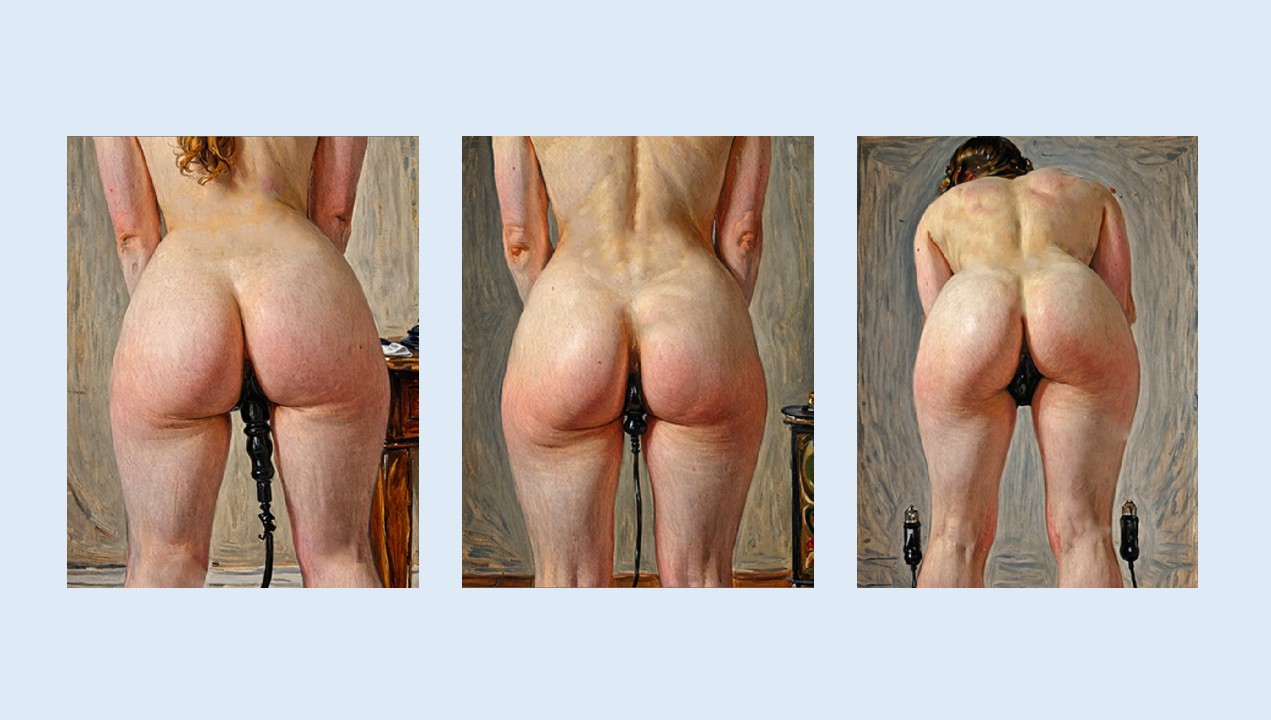
The positioning and posture of figures also evolve. While some works maintain the frontal presentation characteristic of realism, others explore more complex spatial relationships. Figures turn away, revealing backs and the vulnerable line of the spine. Multiple figures occupy shared spaces in configurations that suggest both physical intimacy and psychological tension—bodies close together yet each figure absorbed in separate interiority. These compositions acknowledge the social dimension of selfhood even as they insist on irreducible individual consciousness.
Particularly striking is the naturalist treatment of the gaze—both the subject's gaze and the implied viewer's position. Many works feature figures who look directly out from the canvas with expressions that seem to challenge, question, or simply observe the viewer in return. This reversal of the traditional dynamic—where the (male) viewer possessed the active gaze while the (female) subject remained passive object—creates an unsettling equality or even reversal of power. The viewer becomes aware of being seen, judged, perhaps found wanting.
The incorporation of contemporary dress elements in some works further grounds these nudes in specific historical moment. A red headband or ribbon, the edge of fabric at the frame, visible markers of class or regional identity—these details prevent the nude from floating free into timeless universality. These are women of a particular time and place, their nudity a chosen or imposed condition rather than natural state.
This naturalist insistence on psychological complexity and emotional specificity made these works, if anything, more threatening to authorities than their realist predecessors. A body rendered as pure anatomical fact could perhaps be tolerated as scientific document. But bodies depicted as sites of consciousness, emotion, and potential resistance—bodies that looked back, that refused easy categorization, that insisted on their own subjectivity—these represented a more fundamental challenge to the patriarchal order. The censorship apparatus recognized, perhaps more clearly than contemporary critics, that these paintings were not merely depicting female bodies but asserting female personhood.
The naturalist period thus marks a crucial development in this suppressed tradition: the movement from documentation to interpretation, from the body as object of study to the body as expression of self. It is this assertion of interiority, this claim that women possessed not just bodies but complex inner lives worthy of artistic representation, that the censorship laws most urgently sought to erase.
+++
Representative Works:
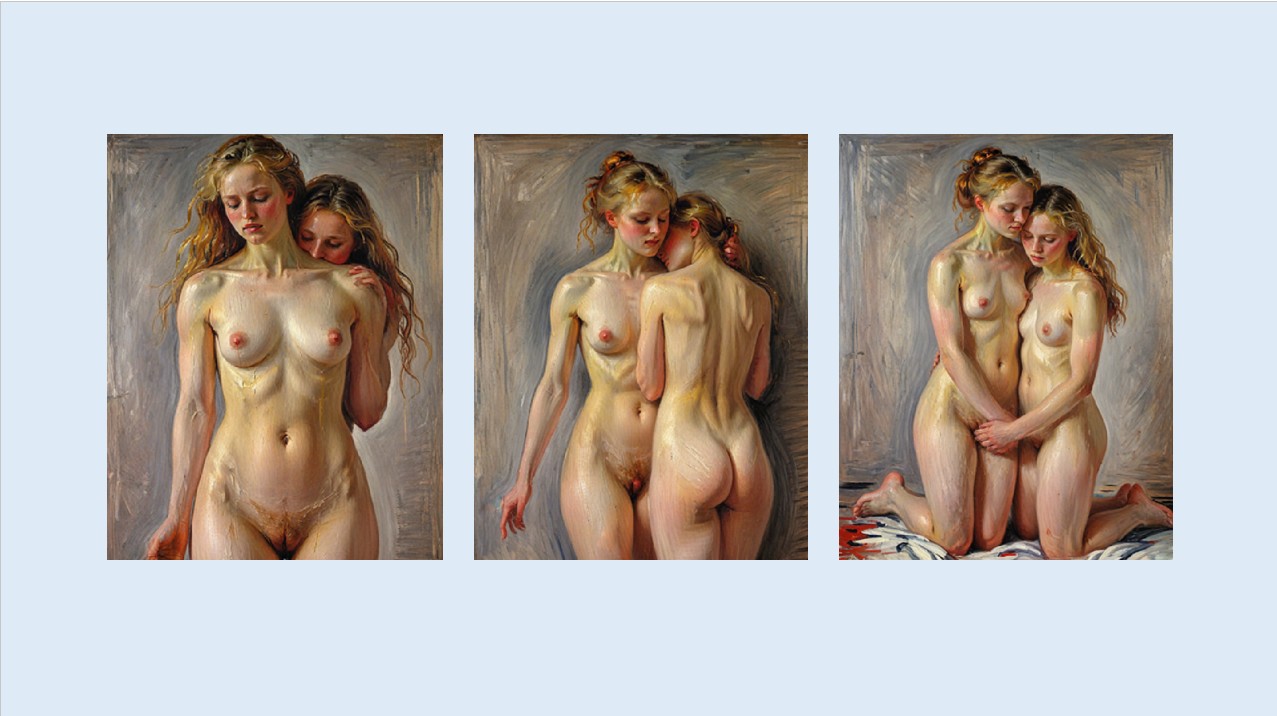
Eva Haarlan
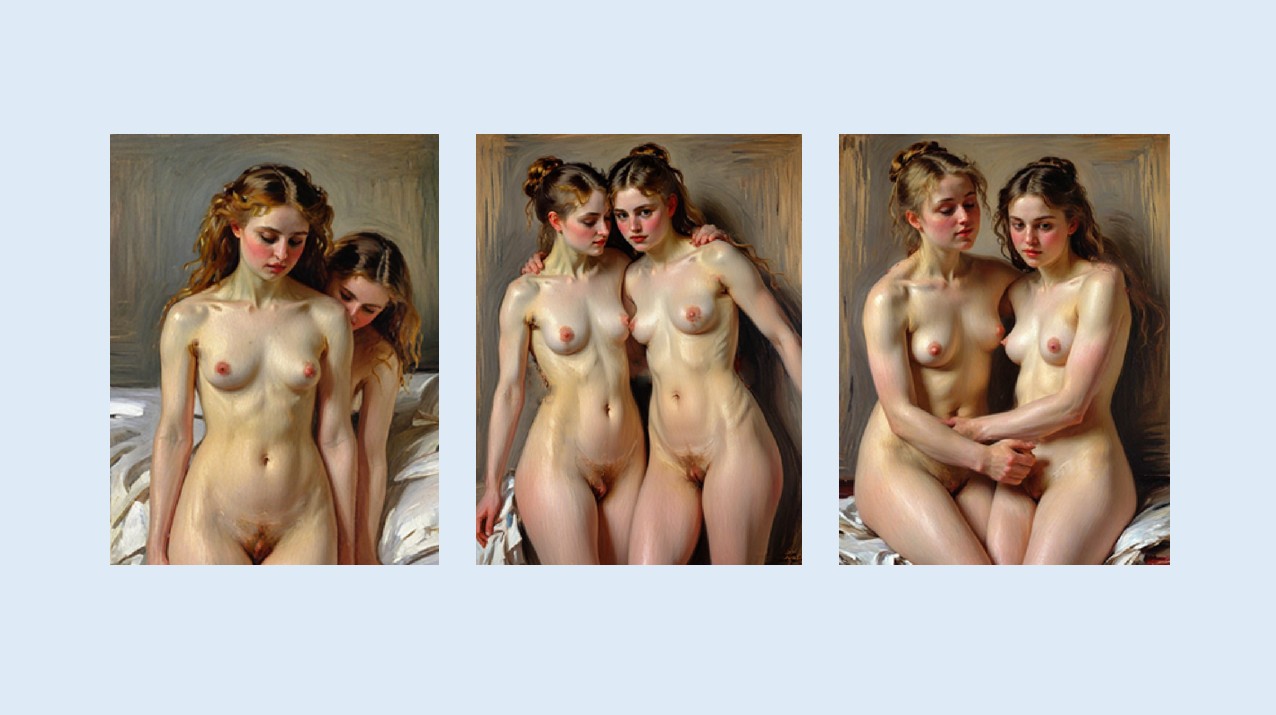
Lene Andersen
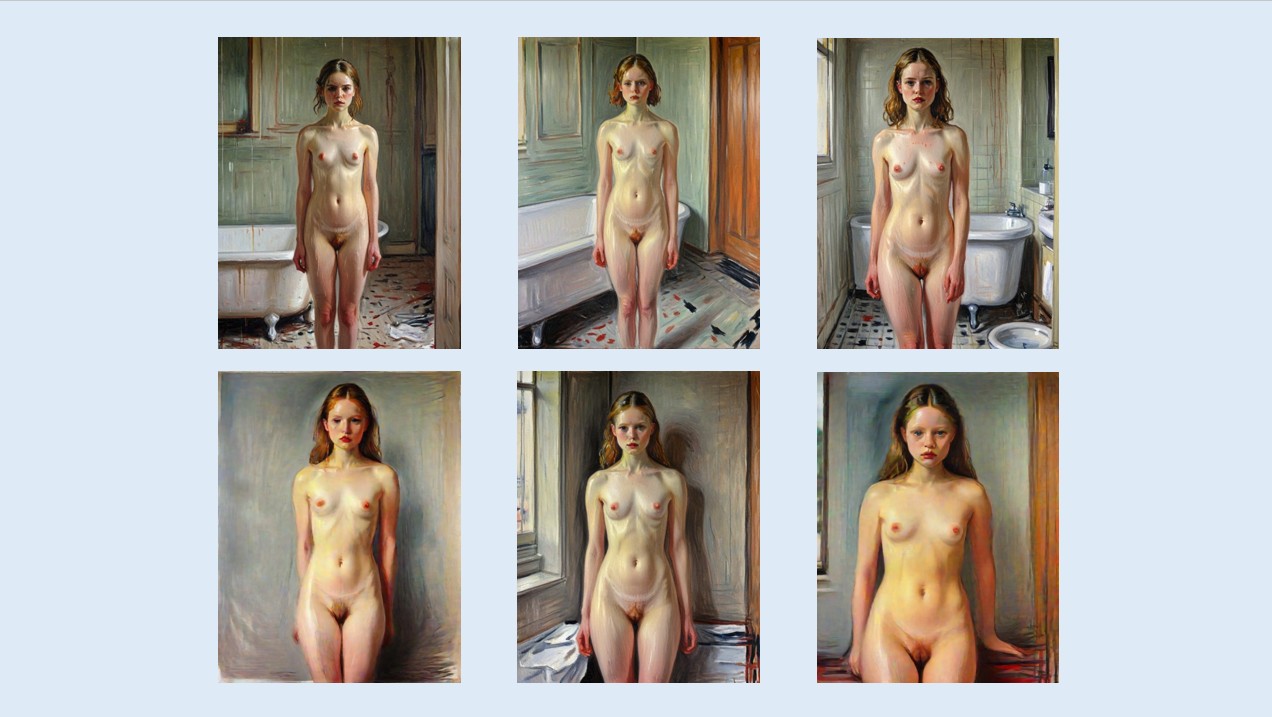
Marrit Ohlsson / Uppsala Women's Art Colony
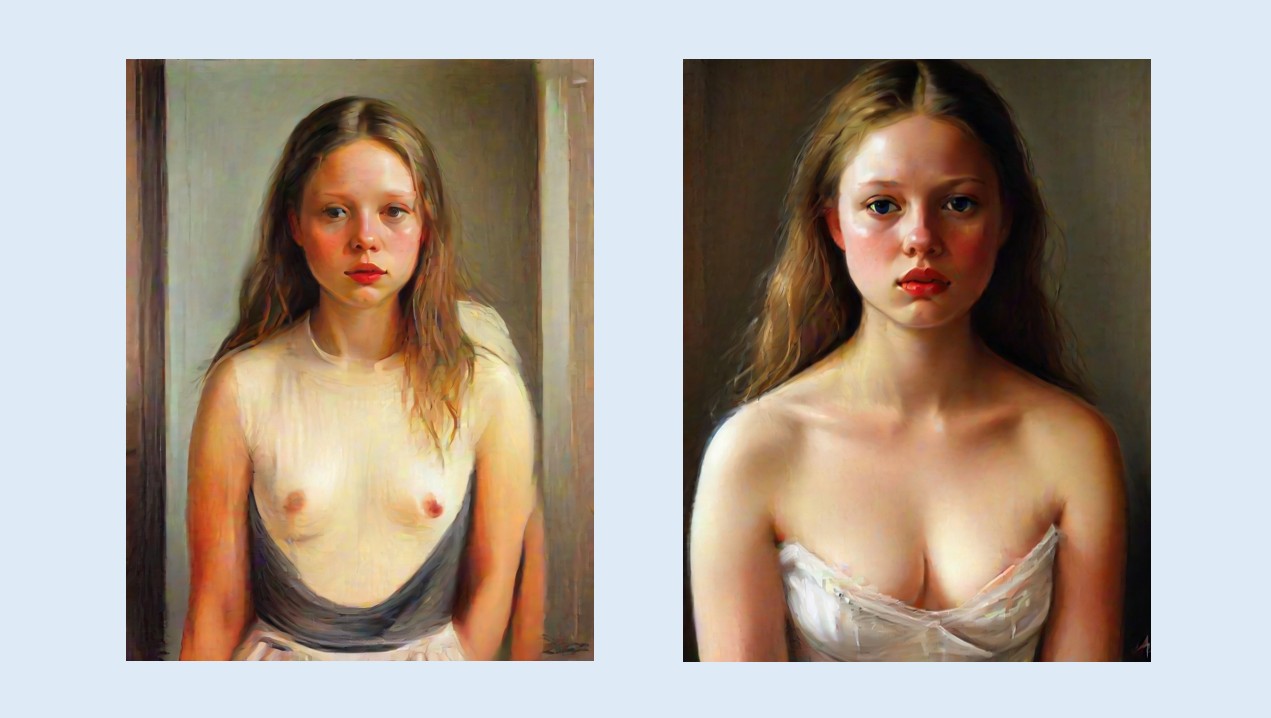
Astrid Ohlsson / Uppsala Women's Art Colony
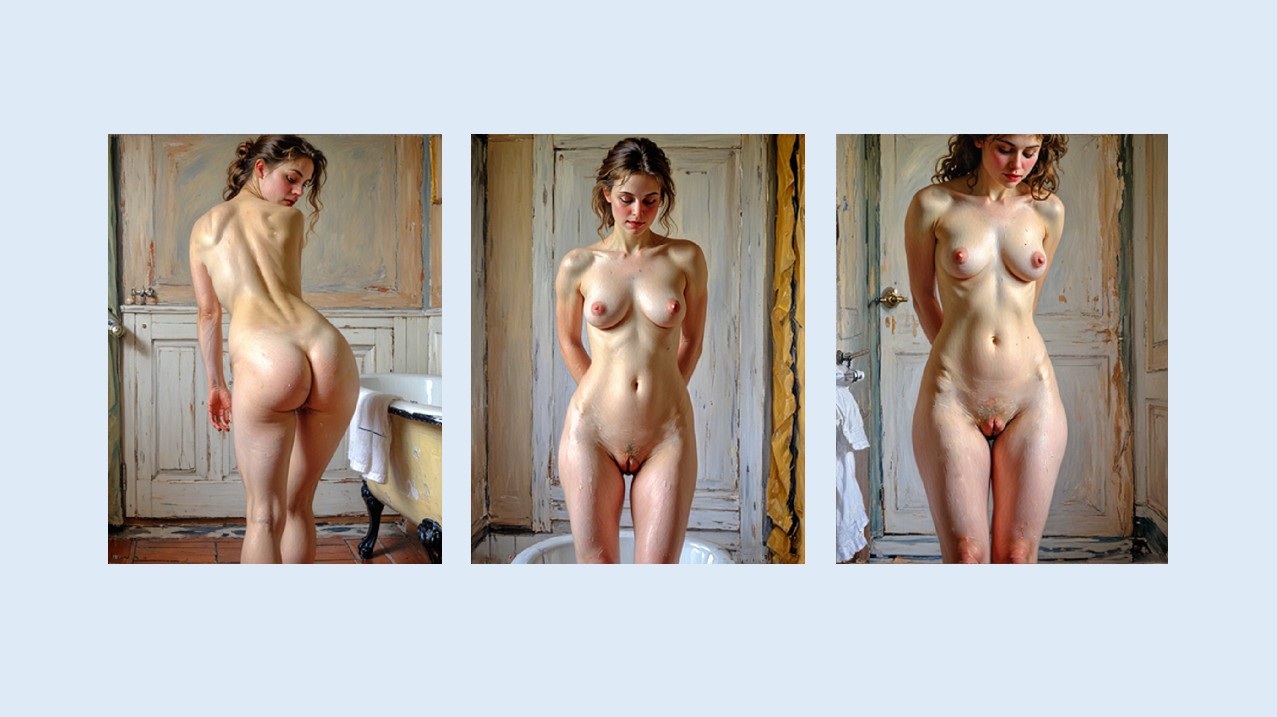
Eva Nordenskjöld
Ulla Sandö
Inga Bjorg / Småland Women's Painting School
Christine Gyhagen / Småland Women's Painting School
Diana Kjaer
Louise Tillberg
Heidrun Hankammer
Ursula Bernell
+++
REFERENCE TEXT A:
FREEDOM FOR OUR NORDIC VULVAS - The Censored Works of Female Painters in Scandinavian Art, 1869–1903
+++